The Estonian Refugee Council has developed a practical guide for teachers, youth workers, education professionals and other specialists working with Ukrainian young people. It helps them better understand young people’s needs and support their language learning, adjustment and participation in society.
The guide brings together 15 key topics and practical recommendations to keep in mind when working with Ukrainian young people. It is designed for everyday use – at school, in youth centres, clubs, sports training and other settings where professionals come into contact with young people from migrant and refugee backgrounds.
Explore the guide in Estonian here: How to support Ukrainian youth with language learning and integration?
We have worked extensively with young people who have arrived in Estonia from Ukraine and have always sought to better understand what helps them adjust, learn the language, make friends and find their place here – and what may stand in their way.
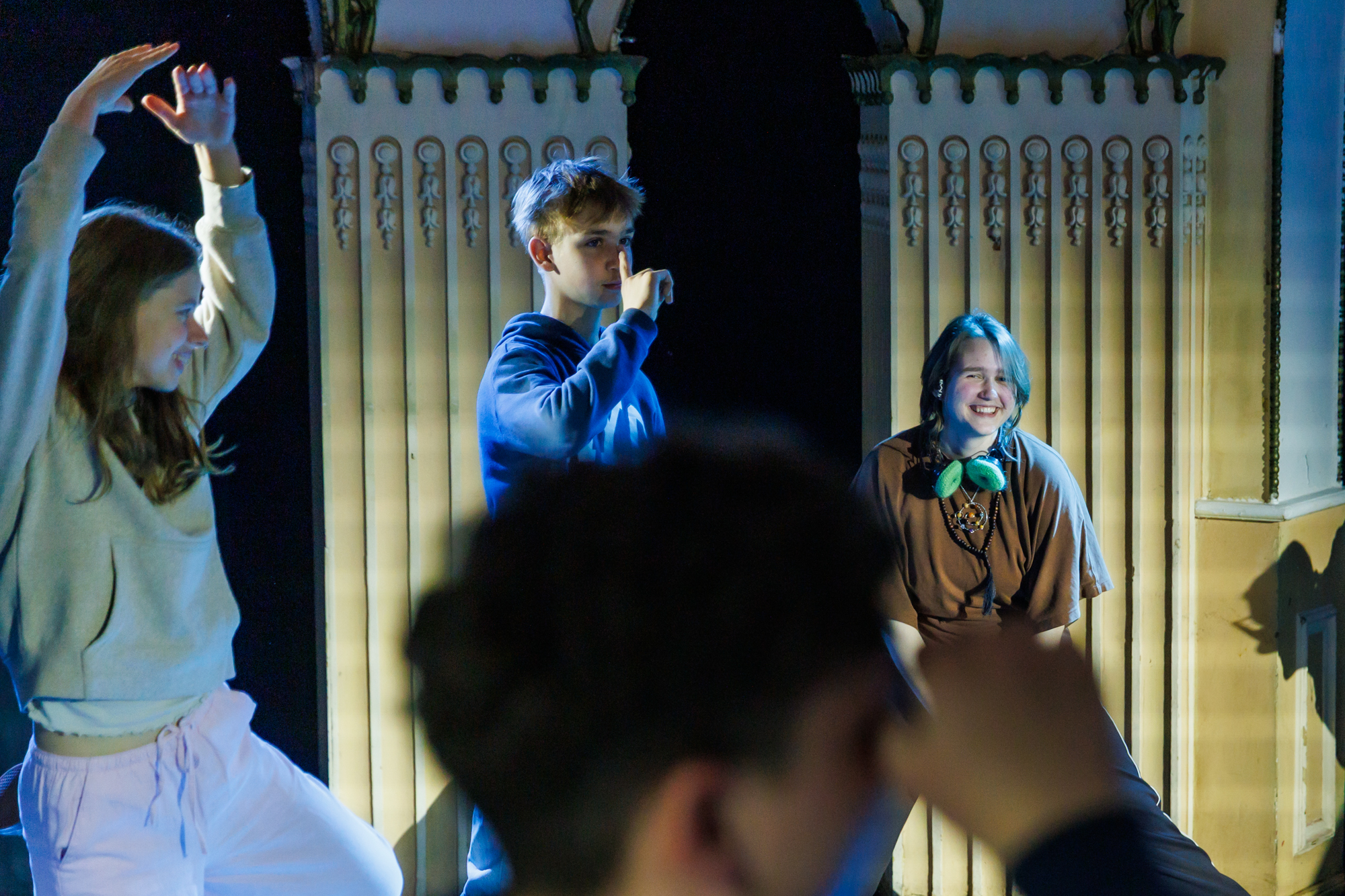
As part of this work, we organised workshops in Kohtla-Järve, Pärnu and Tallinn this spring, bringing together Ukrainian young people, their parents and teachers from Ukraina Akadeemia. We explored the challenges Ukrainian young people face in their everyday lives and education, and identified solutions that could help address them more effectively.
Arriving in a new country brings many changes to a young person’s life all at once. A new language, a new school, new people and new routines – and, in some cases, uncertainty about what the future holds. All of this affects how young people learn, communicate and find their place in a new environment.
A wide range of people come into contact with young people from migrant and refugee backgrounds: teachers, youth workers, coaches, club leaders, counsellors and other professionals. We cannot expect all of them to have previous experience of working with refugee young people. But there are some simple things that anyone can do to provide better support.
Let’s take a closer look at some of the insights from the workshops.
Language learning needs a safe and supportive environment
Fear of making mistakes can make young people less willing to communicate in Estonian, which is why formal language learning alone is not enough. Language develops most effectively through everyday situations where young people can use it in real life, interact with Estonian peers, and encounter different people and languages. Alongside language learning, it is therefore important to create opportunities to build friendships, take part in shared activities and participate in community life.
The discussions also highlighted the importance of a sense of belonging and mental well-being. Young people should not be left on the margins of social life, even if they are not yet sure whether their future lies in Estonia or Ukraine. Particular attention is needed for older teenagers, for whom studying in both the Estonian and Ukrainian education systems at the same time can be overwhelming. The resulting accumulated fatigue may appear to others as a lack of interest or simply tiredness. A supportive environment helps young people feel seen and ensures that their needs are taken into account.
We also found that young people receive better support when parents, schools and different civil society organisations are involved. Services should be based on young people’s actual needs and adapted continuously based on their feedback.
To help education professionals working with Ukrainian young people put these principles into practice, we created an engaging guide together with Janno Pikkat and Maari Soekov, featuring illustrations from their beloved AW stuff comic series.
Explore the finished guide on the Estonian Refugee Council website (in Estonian) and feel free to use it in your everyday work!
PS. There is no single solution for supporting a young person from a migrant or refugee background. Much depends on the individual and their circumstances. These are simply observations worth noticing and keeping in mind when you encounter a young person from a migrant or refugee background. A supportive environment, a flexible approach and cooperation between different adults can give young people more opportunities to learn the language, make friends, participate in society and shape their future.
The activities described in this article are funded by the project “Language Ladder: Learning And Nurturing Growth Using Adaptive Guidance & Education for Refugee Youth in Estonia and Poland”.
The project is being implemented in collaboration with Tallinn University and the Polish organisation Dobra Fabryka. Funded by the European Union. Views and opinions expressed are however those of the author(s) only and do not necessarily reflect those of the European Union or European Social Fund Agency. Neither the European Union nor the Granting Authority can be held responsible for them.
