
Caring for the caretakers: Creating a toolkit
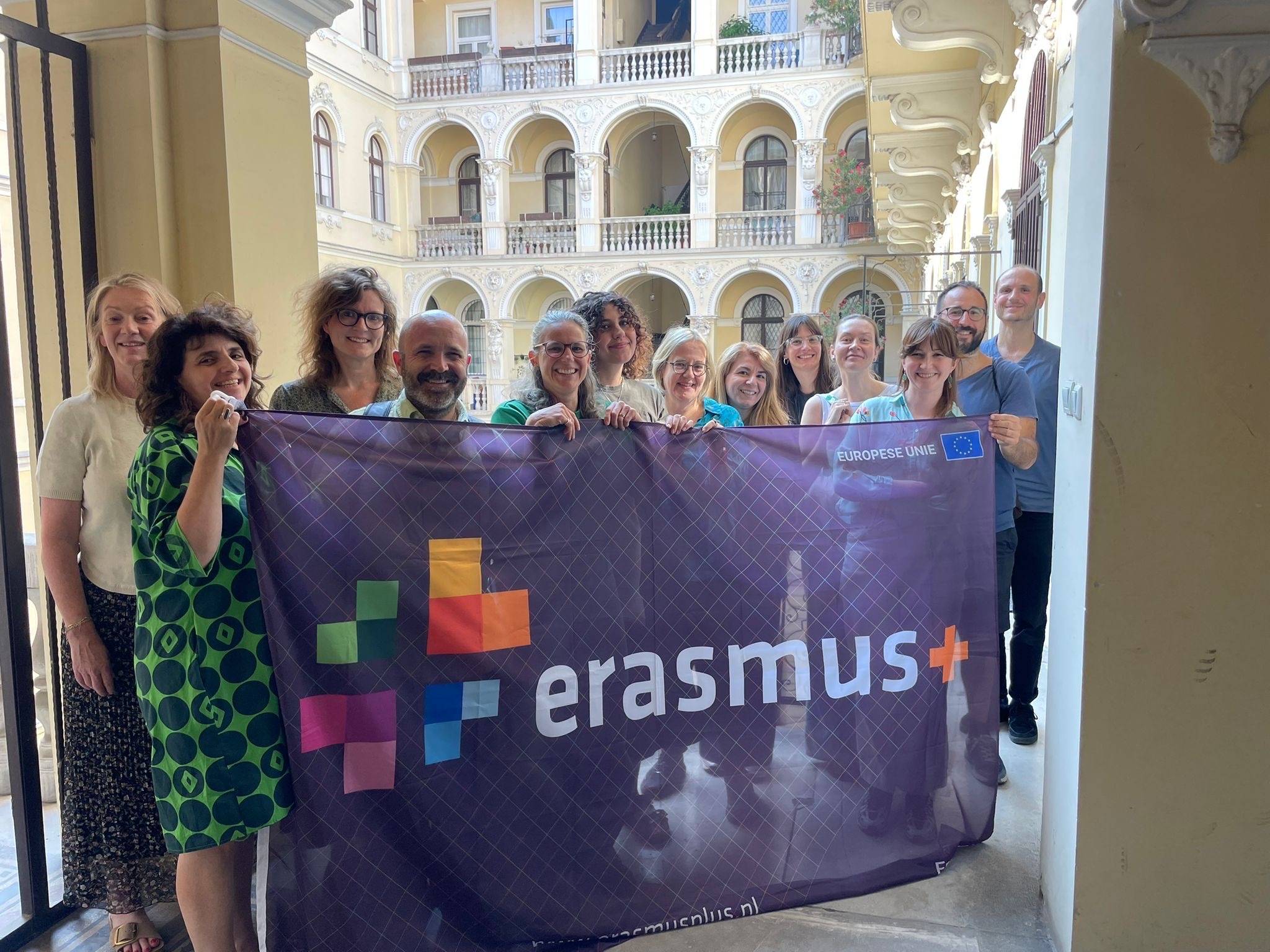
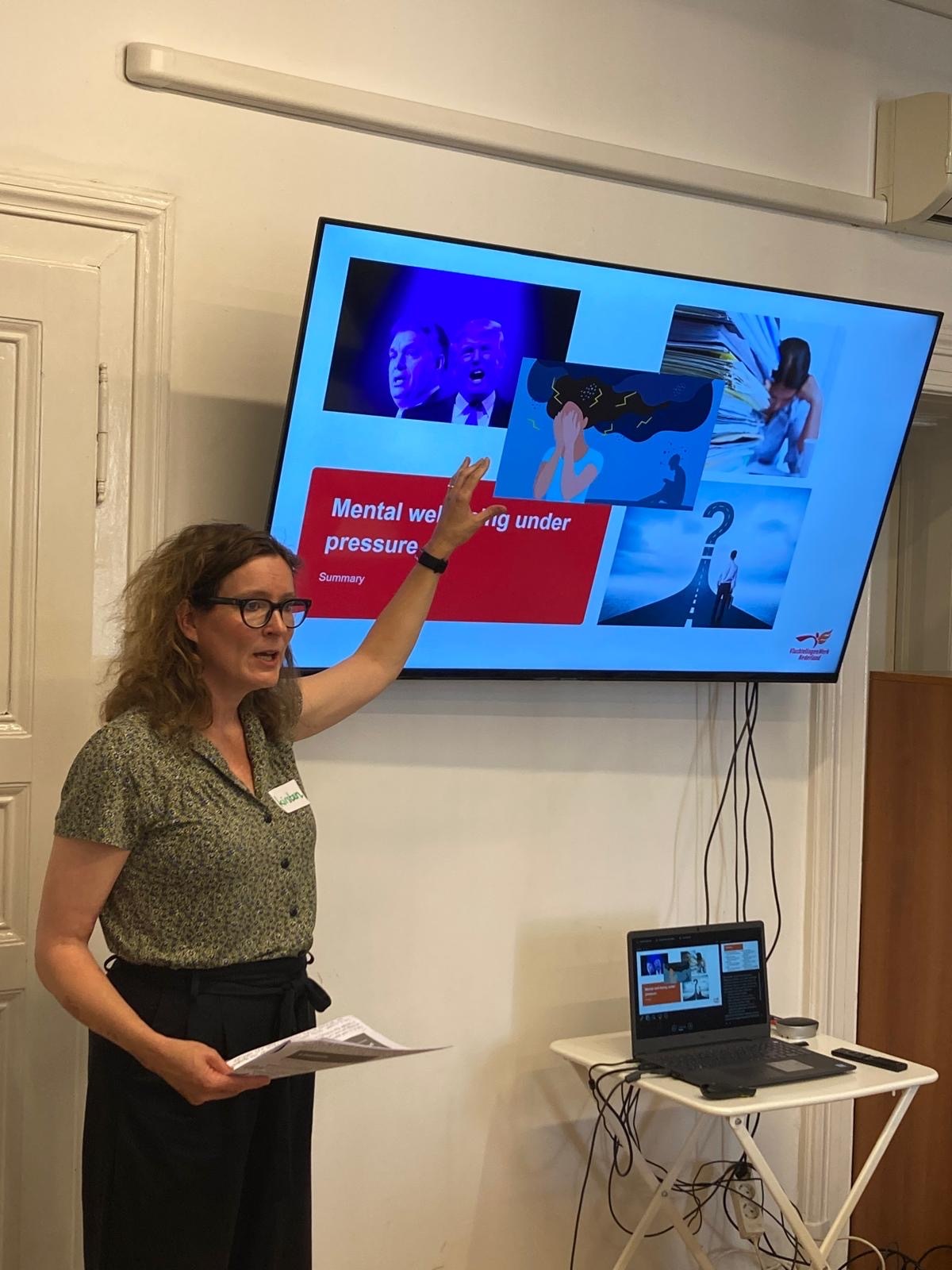
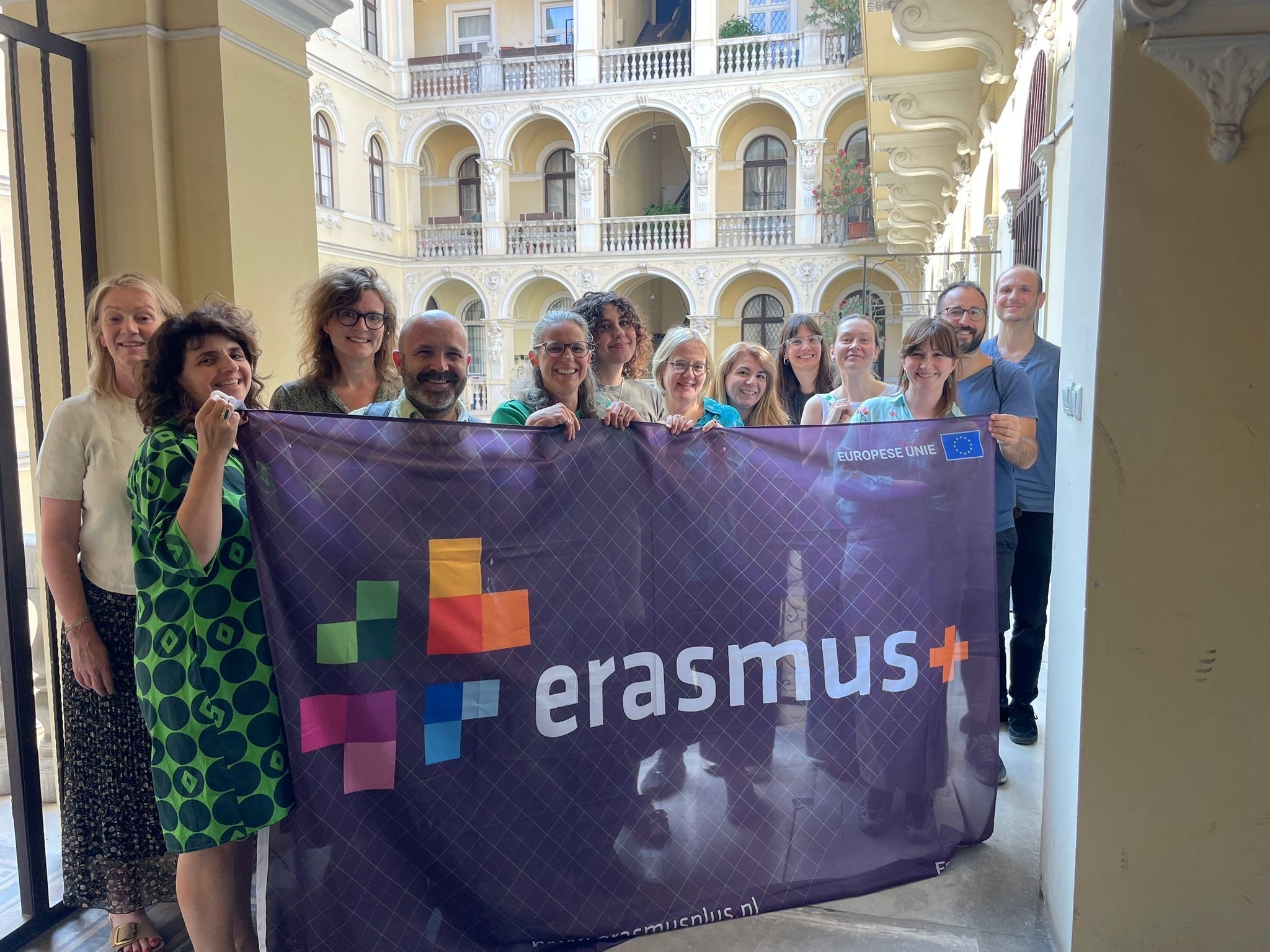
How can we better support the people that support others? This was the central question when partners of Caring to Include met in Budapest in June 2025. Hosted by the Hungarian Helsinki Committee (HHC), the gathering brought together civil society organisations from across Europe to co-develop a practical toolkit that promote the mental wellbeing and trauma-informed support within refugee-assisting organisations.
The Caring to Include toolkit
We are proud to announce the publication of the first Caring to Include toolkit, developed to strengthen the well-being of staff and volunteers who support refugees and people seeking protection. This toolkit marks an important milestone in the project, and provides practical guidance, tools, and strategies to promote resilience, team cohesion, and sustainable well-being in organisations working in the refugee-support sector.
The new toolkit is the result of a truly co-creative process carried out with project partners across seven countries. Drawing on extensive research, interviews, facilitated discussions, and a mapping of best practices, the partnership collaboratively identified priority needs and gaps and developed resources tailored to the realities of frontline organisations.
The first Caring to Include toolkit consists of three components:
- a manual for the training “Work and Wellbeing – How Can I Take Good Care of Myself?”
- a Team-Building, Diversity & Resilience Manual
- Templates for Developing a Well-being Strategy and Policies
These tools are designed for practical use and will be piloted in 2026 in collaboration with partner organisations.
The publication of this first toolkit marks the beginning of a series: in early 2026, partners will meet to define priorities for the second toolkit, which will focus on trauma-informed approaches.
Putting trauma-informed care at the centre of support for refugees
How can organisations that support refugees become more sensitive to trauma and help prevent re-traumatisation? This question guided our third transnational meeting in Cyprus, organised in the context of the Caring to Include project. Partners came together to learn from research, exchange good practices, and agree on concrete next steps.
Why this matters?
Many refugees have experienced hardship in their country of origin, during their journey, and after arrival in Europe. In reception countries, they face increasing hostility, border violence, and shrinking access to protection. A trauma-informed approach can reduce the risk of re-traumatisation and help strengthen refugees’ resilience; an important condition for wellbeing and longer-term inclusion and integration.
The organisations participating in the Erasmus+-funded project Caring to Include provide legal and integration support to refugees. Though we are not all mental health professionals, we can still contribute to a safer and more supportive environment by applying a trauma-informed approach in everyday service delivery: from first contact - sometimes at the border or in detention settings to the long-term guidance on integration in our offices.
Learning from best practices
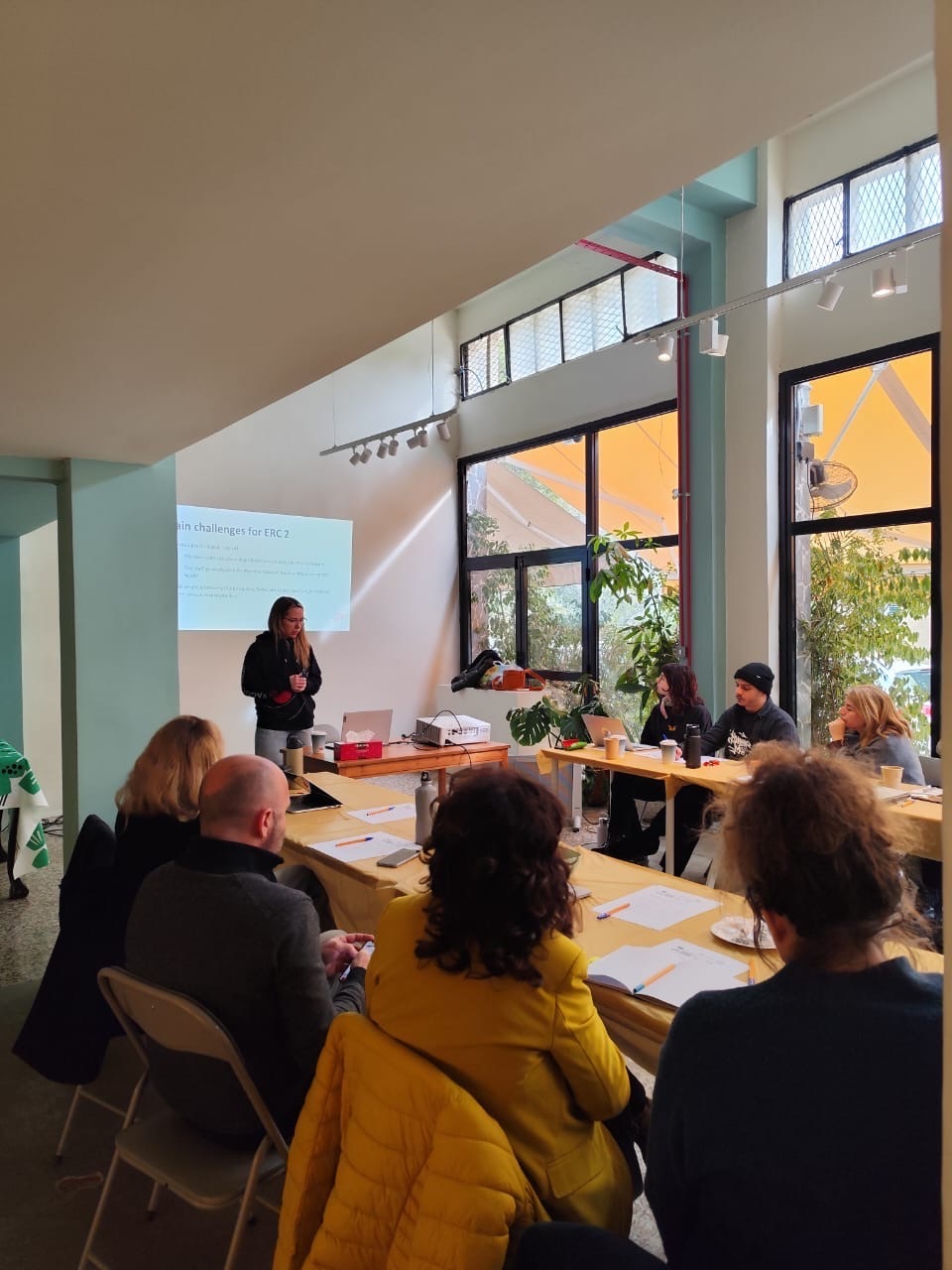
On the first day of the meeting, we presented the outcomes of national research carried out in seven countries: Cyprus, Greece, Croatia, Estonia, Malta, Hungary, and the Netherlands. Together with members of the Refugee Focus Group in Cyprus, we discussed trends and best practices identified in the project’s European Comparative report.
These findings helped shape the tools we will develop next. All participating organisations committed to placing the core principles of trauma-informed care at the centre of their work: safety, trust, choice, collaboration, and empowerment.
Training on trauma
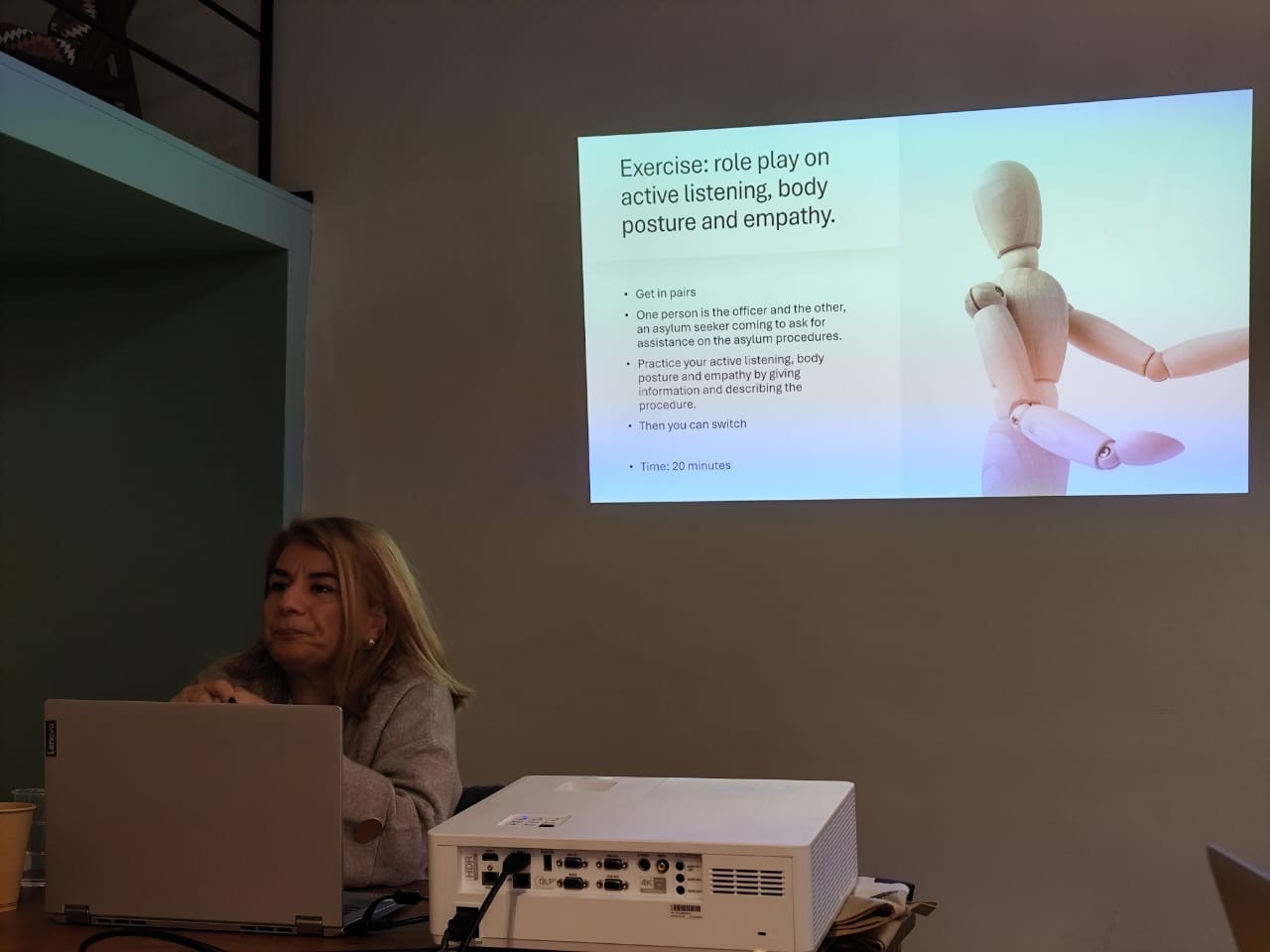
Trauma-informed care is not only relevant to the people we support. It is also relevant to staff. We often do not realise the impact of the stories we hear or the pressure we endure in hostile environments.
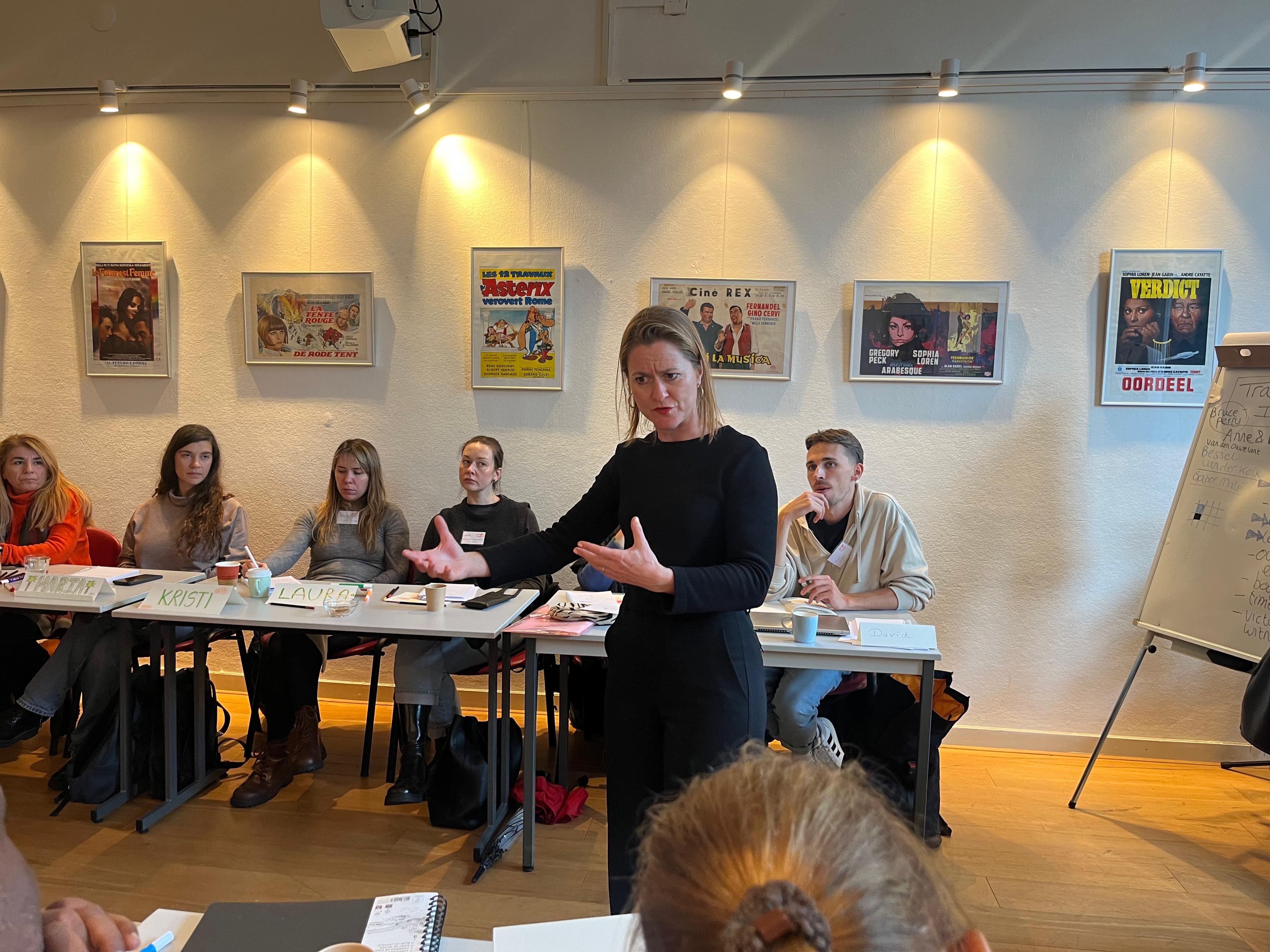
On day two, psychologist Tonia Loizidou of the Cyprus Refugee Council facilitated a training on trauma and what a trauma-informed approach means in everyday practice.
Participants explored what organisations need in place to implement this approach. This includes supportive leadership, sound governance and clear policies. Practical conditions such as privacy and the ability to use grounding techniques during appointments are also vital for implementing such an approach.
The training also addressed staff wellbeing. Participants learned how to recognise and respond to vicarious trauma, secondary trauma and compassion fatigue. Self-care and peer support are key parts of a trauma-informed approach.
Toolkit on trauma-informed care and next steps
We developed a toolkit based on the needs that were identified during the research phase and the meeting in Cyprus.
Two working groups were lead:
- The first working group developed training and practical materials for staff to better recognise trauma and respond in a supportive way.
- The second working group developed an organisational scan and clear dos and don’ts to help embed trauma-informed principles in policies and procedures.
The toolkit was finalised in summer 2026 and was tested in the seven participating organisations. All materials will be shared with the wider NGO community through the Caring to Include Community of Practice hosted on the ECRE platform, via partner organisations’ websites.
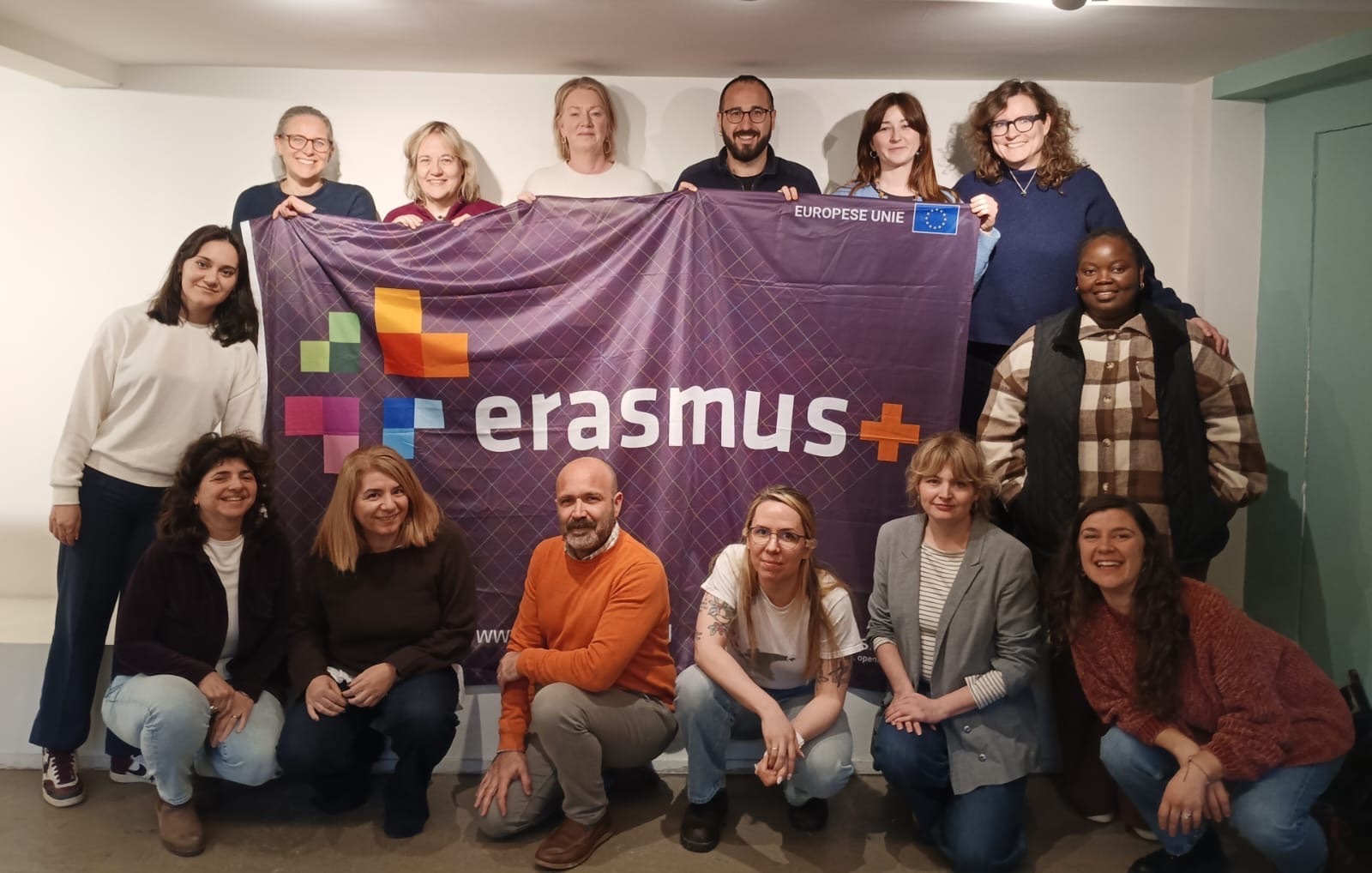
The second toolkit: Trauma-Informed Care
The Caring to Include trauma-informed care toolkit helps refugee-support organisations apply informed-trauma principles in everyday services and across their organisations. The toolkit combines practical guidance for staff and volunteers with tools for organisations to assess their current practice and identify priorities for improvement.
What is Trauma-informed care?
People who have experienced displacement may potentially face traumatic experiences and prolonged stress before, during, and after their journey. These experiences can affect people's well-being and the way they engage with organisations and services. Therefore, a trauma-informed approach that recognises these possible effects and aims to create support can play a vital role in enhancing their safety, trust, choice, collaboration and empowerment, while reducing the risk of re-traumatisation.
This new toolkit supports organisations in translating trauma-informed principles into everyday practice, while also recognising the impact of this work on staff and volunteers.
Developed through the knowledge, research, and experience of project partners across seven European countries, the toolkit brings together practical resources for both individual practice and wider organisational reflection.
What does the Trauma-Informed Care Toolkit include?
- TTrauma-Informed Care – Practical Guide for Refugee Organisation Staff: A practical guide for staff, volunteers and practitioners. It explains the principles of trauma-informed care and provides tools for communicationwith refugees and people seeking protection, in addition to creating safer environments, responding to distress and protecting staff well-being.
Organisational Assessment on Trauma-Informed Care: A self-assessment resource that helps organisations reflect on how trauma-informed principles are embedded in their work. It looks at six areas: access to services, the physical environment, participation and feedback, staff training, organisational culture and leadership, and staff well-being and support. This part consists of two complementary documents that are designed to be used together:
- Organisational Assessment Guide: Provides the framework and guidance for conducting the organisational self-assessment.
- Organisational Assessment Tool: Accompanies the guide and helps organisations assess their current practice and identify strengths, gaps and priorities for further improvement. To request this tool, please send an email to ip@vluchtelingenwerk.nl
- Trauma-Informed Care - Training Manual: The aim of this training is to equip volunteers and staff with the basic knowledge and skills to work in a trauma-informed way.
Together, these resources can help organisations move from understanding trauma-informed principles to applying them in everyday services, organisational policies and working environments.
How was the toolkit developed?
The toolkit builds on the knowledge, research and practical experience of Caring to Include partners in Croatia, Cyprus, Estonia, Greece, Hungary, Malta and the Netherlands.
Who is the toolkit for?
The toolkit is designed for refugee-support organisations, frontline staff, volunteers, practitioners and managers working with refugees and people seeking protection.
The resources can be used for individual learning, team discussions, staff development and wider organisational reflection.
The Caring to Include project is coordinated by VluchtelingenWerk Nederland together with partner organisations from Croatia, Cyprus, Estonia, Greece, Hungary, and Malta, and is co-funded by the European Union through Erasmus+.