The first half of the year has been a busy one for the Estonian Refugee Council. Our programmes in Estonia have focused on supporting young refugees from Ukraine by creating opportunities to learn Estonian, build new connections and shape their future in Estonia.
Throughout the spring, Ukrainian and local young people took part in a range of joint activities designed to help them develop new skills, gain practical knowledge and build friendships. We also continued supporting Ukrainian young people in learning Estonian and creating more opportunities to practise the language, as many struggle to find local friends with whom they can speak Estonian and build meaningful relationships. At the same time, we helped young people adapt to a new culture, school environment and everyday life after being forced to leave their homes and communities.
How do we do this? Here's a look at how we supported Ukrainian young people with language learning and integration during the second quarter.
Building skills for today: Public speaking and social media literacy
In April, we organised three activities for young people. In Jõhvi, participants attended a workshop on artificial intelligence, where they explored its practical applications in education and everyday life. As part of the programme, they also visited the Jõhvi Vocational Education Centre to learn about vocational education and future study opportunities in Estonia.
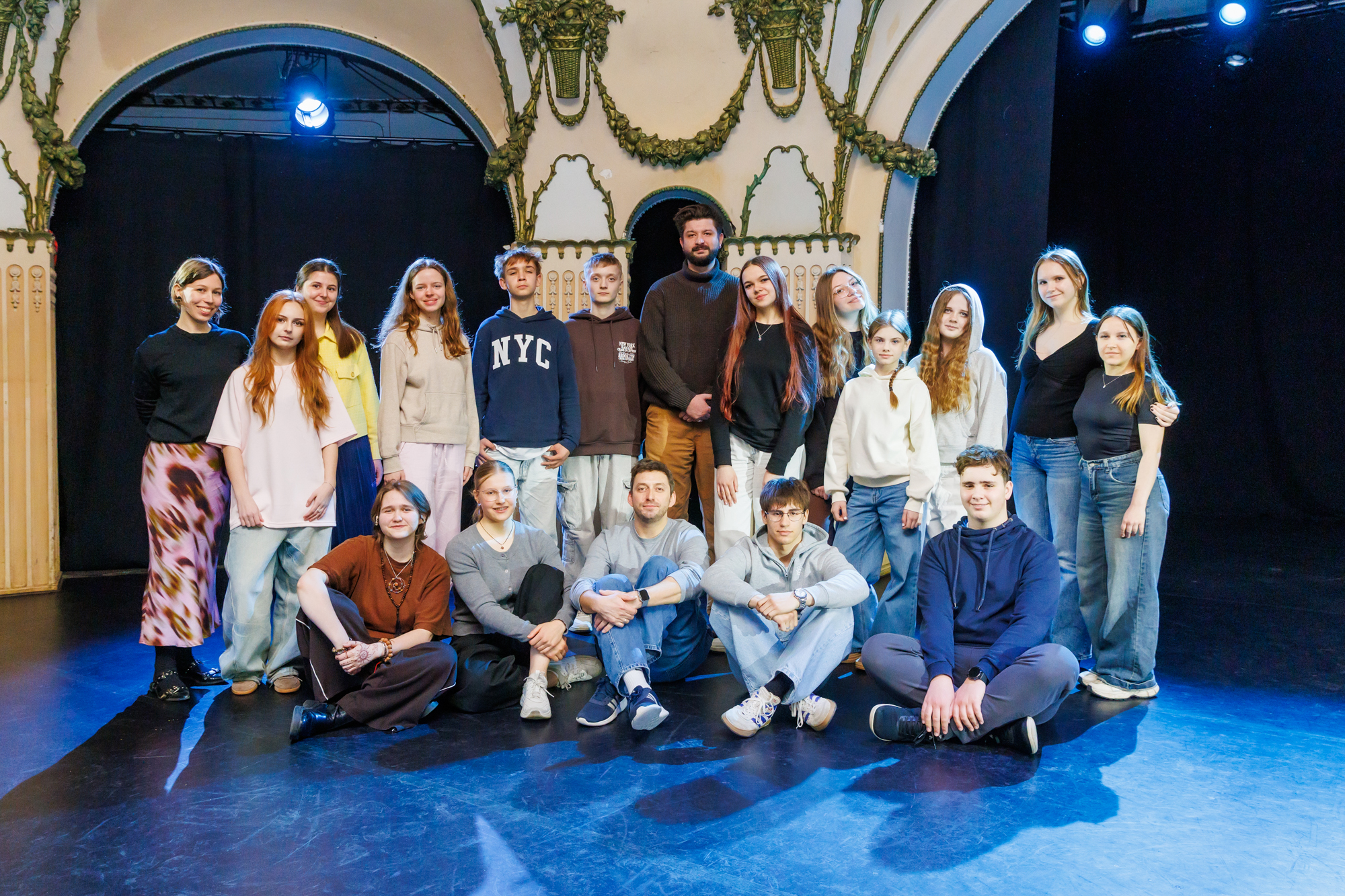
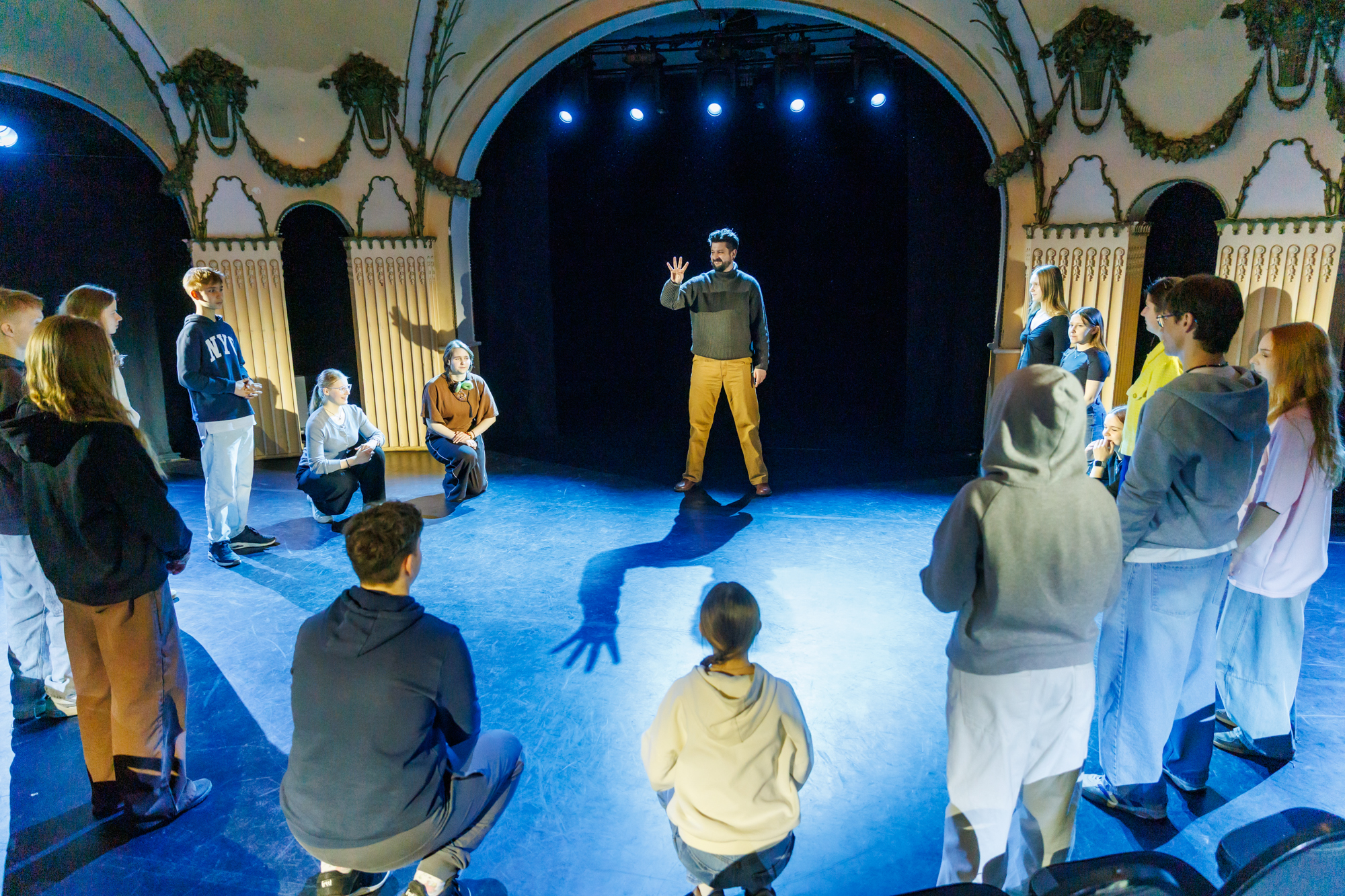
In Tallinn, we organised a public speaking workshop at Südalinna Theatre, helping young people build confidence, strengthen their communication skills and learn how to express their ideas clearly. Through practical exercises, participants practised presenting themselves and communicating their ideas more effectively.
In May, the group visited the Aidu quarry and the Oil Shale Museum, where they learned about the region's history, industrial heritage and natural environment. The study visit gave participants an opportunity to explore different parts of Estonia and gain a better understanding of the country's history and local communities.
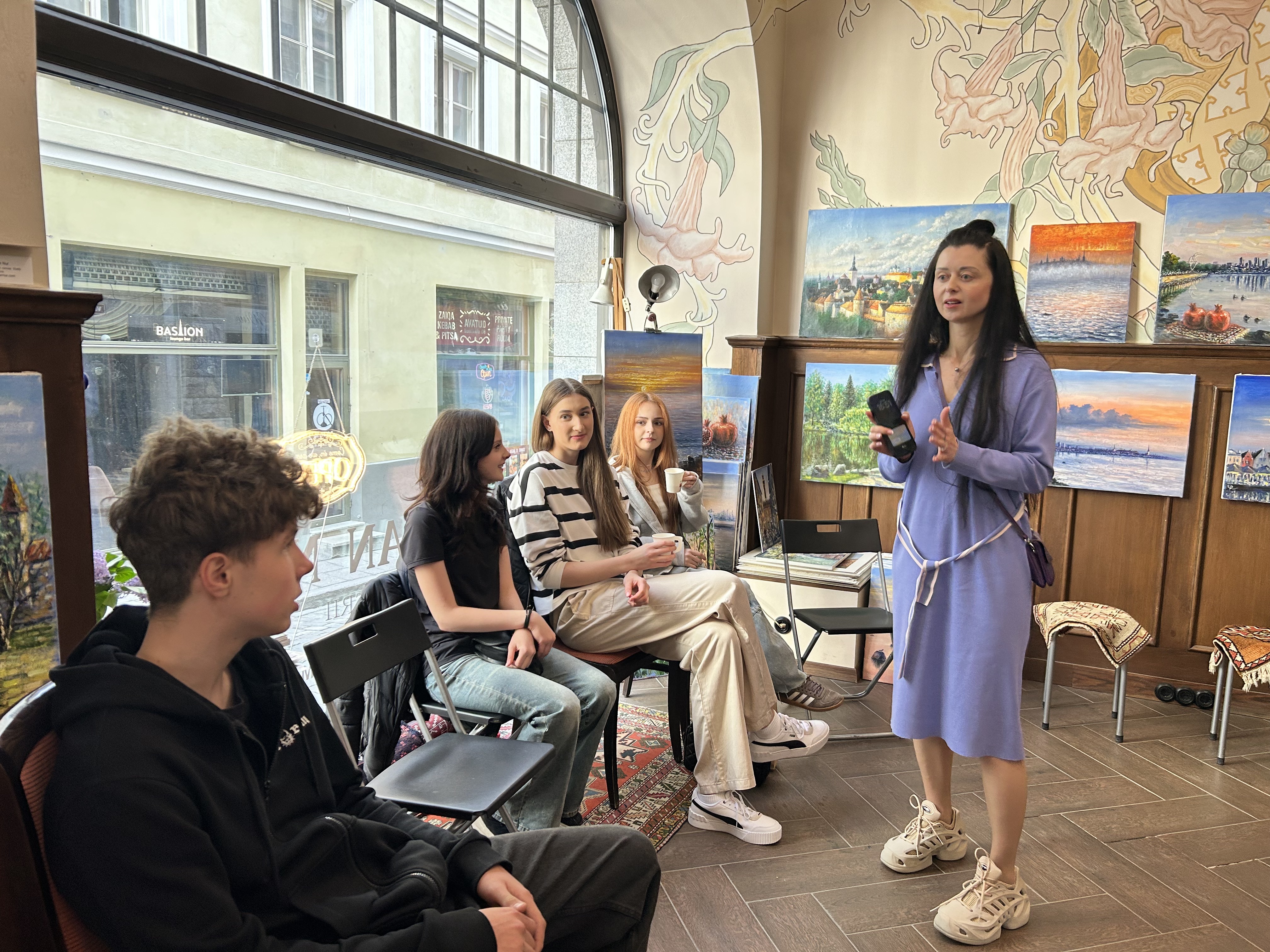
In June, Ukrainian content creator Darya Pastak led a social media workshop in Tallinn. Young people gained practical knowledge about building a digital identity, understanding the opportunities and risks of social media, and using their online presence to support their personal development, education and future careers.
Together, these activities gave young people the opportunity to learn new skills, broaden their horizons and build connections with their peers. Shared experiences help strengthen young people's sense of belonging and support their integration into a new environment.
Supporting language learning
From the end of March onwards, weekly language groups took place in Pärnu, where young people practised Estonian with local mentors of a similar age through activities such as clay modelling, origami and sports.
In April, Estonian language support classes for lower secondary school pupils began in Kohtla-Järve and Tallinn. From May until the end of June, we also organised an Estonian language group for adults in Jõhvi.
As part of the project, we also delivered group sessions based on the MindSpring method, giving young people a safe space to share their experiences and receive support from mental health professionals in coping with stress, adapting to life in Estonia and concerns about the future. We are pleased that all groups have now successfully completed the programme – congratulations to all participants!
Creating lasting impact
Alongside delivering integration activities throughout the spring, we also worked on service design to ensure our work with young people remains sustainable and impactful in the future. We look forward to sharing the results this autumn so that the insights gained about young people's needs and experiences can benefit everyone working to support them.
Our work supporting Ukrainian young people through language learning and future opportunities will continue until autumn 2026. The programme includes language groups, workshops, study visits, inspirational events and group sessions promoting psychosocial well-being.
You can also read more on our website about one of the project's key elements – invisible language learning – and explore what we achieved during the first quarter.
The activities described in this article are funded by the project “Language Ladder: Learning And Nurturing Growth Using Adaptive Guidance & Education for Refugee Youth in Estonia and Poland”.
The project is being implemented in collaboration with Tallinn University and the Polish organisation Dobra Fabryka. Funded by the European Union. Views and opinions expressed are however those of the author(s) only and do not necessarily reflect those of the European Union or European Social Fund Agency. Neither the European Union nor the Granting Authority can be held responsible for them.
